Table Of Content
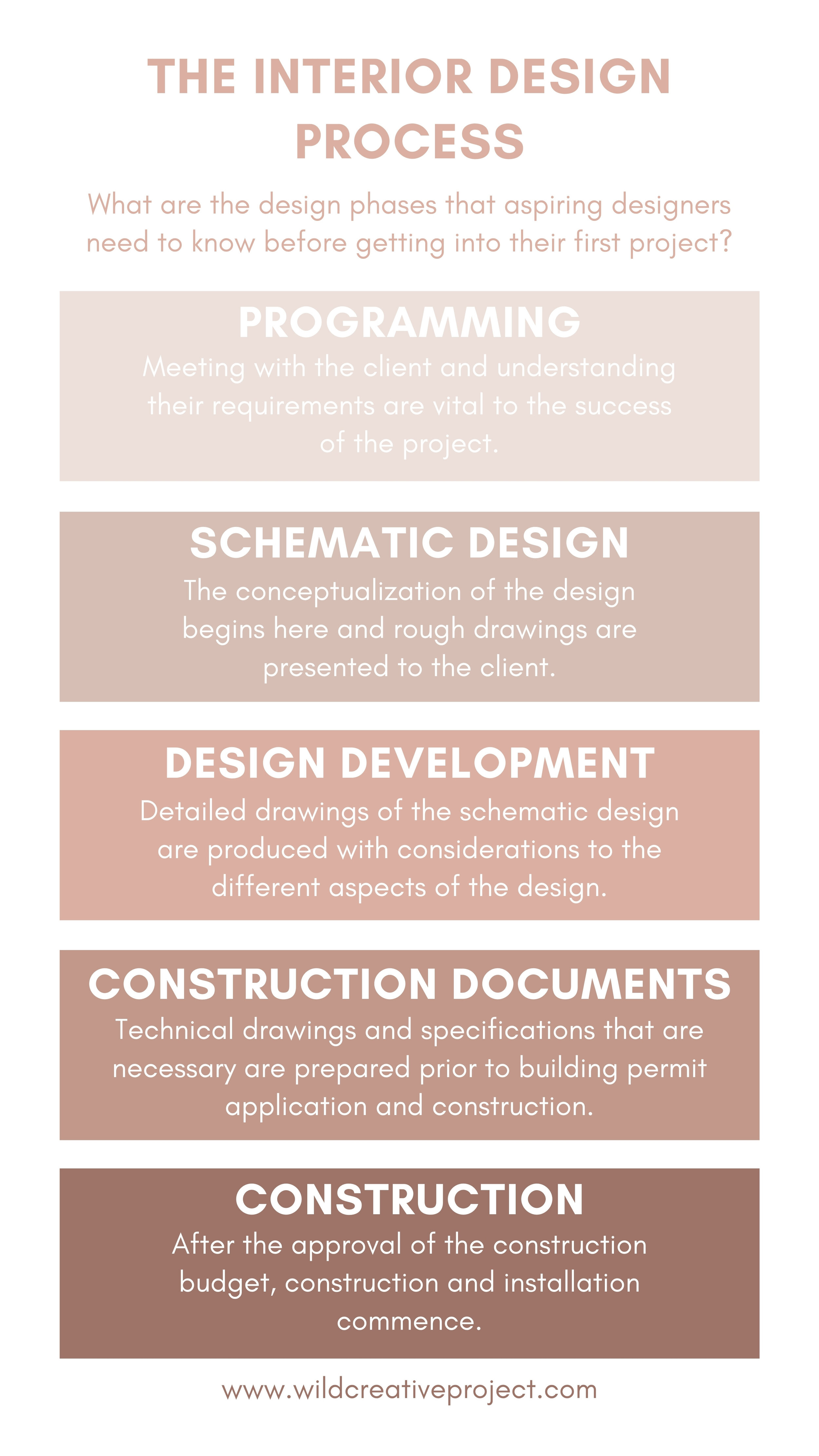
These insights will help you to achieve the best possible user experience. Visual design is about creating and making the general aesthetics of a product consistent. To create the aesthetic style of a website or app, we work with fundamental elements of visual design, arranging them according to principles of design. These elements and principles together form the building blocks of visual design, and a firm understanding of them is crucial in creating a visual design of any product. The principles of design in art are foundational concepts that guide the creation and evaluation of artworks, ensuring visual harmony, balance, and cohesion.
Brainstorm Design Ideas
Whether you manage a design team, work as a designer, or are part of a team of designers, improving your creation process is key. A well-developed design process helps boost collaboration and reduce workload and resource issues. That means that design thinking is not only for designers but also for creative employees, freelancers, and business leaders. There are multiple design thinking frameworks, each with a different number of steps and phase names.
Learn More about Design Principles
Create a product roadmap to lay the groundwork for tasks and projects the team or project managers will work on. Uber Eats also gathers insights from consumers and delivery agents via fireside chats where users are encouraged to visit the offices and share their experiences. They take a look at logistics like transportation and infrastructure.
Visual Aesthetics
By creating a visual representation of their thought process, designers can identify connections and uncover new insights that can fuel their creativity. Mood boarding involves creating a collage of images, colors, textures, and typography that capture the desired mood and aesthetic of a design project. It helps designers establish a visual direction and serves as a source of inspiration throughout the design process. Each stage of the process has its own timeline, allowing designers to allocate resources and prioritize tasks accordingly. Additionally, the design process creates a strong foundation for successful design outcomes and minimizes the risk of design flaws or usability issues.
User-Centered Design (UCD)
They learn that engineering is about designing creative ways to improve existing artifacts, technologies or processes, or developing new inventions that benefit society. Student pairs experience the iterative engineering design process as they design, build, test and improve catching devices to prevent a "naked" egg from breaking when dropped from increasing heights. To support their design work, they learn about materials properties, energy types and conservation o...
Design Thinking Process Steps & Examples 2024
Since team members may be in different time zones, it's important to maintain a workflow where individuals can contribute at their own pace without delaying the project. Clear documentation and updates in shared tools facilitate this asynchronous work. For example, Spotify's UX design process features the use of personalized content recommendations ("Recommended" in the center of this screenshot). A well-designed, user-friendly interface increases user engagement and satisfaction. Various generated ideas must then undergo a concept evaluation step, which utilizes various tools to compare and contrast the relative strengths and weakness of possible alternatives. A prototype is a simulation that shows how users will interact with the finished product.
In reality, some affect more people, some are more profitable, and some can’t be solved at all. The process is designed to leave no stone unturned to ensure that the intended direction is more likely to create the desired impact. 8, navigation design can organize elements to insert amount, add a description, and requesting transaction to be arranged from top down. Moreover, it can also decide that they live on the same screen so that users can securely double-check all the details of their transaction before confirming.
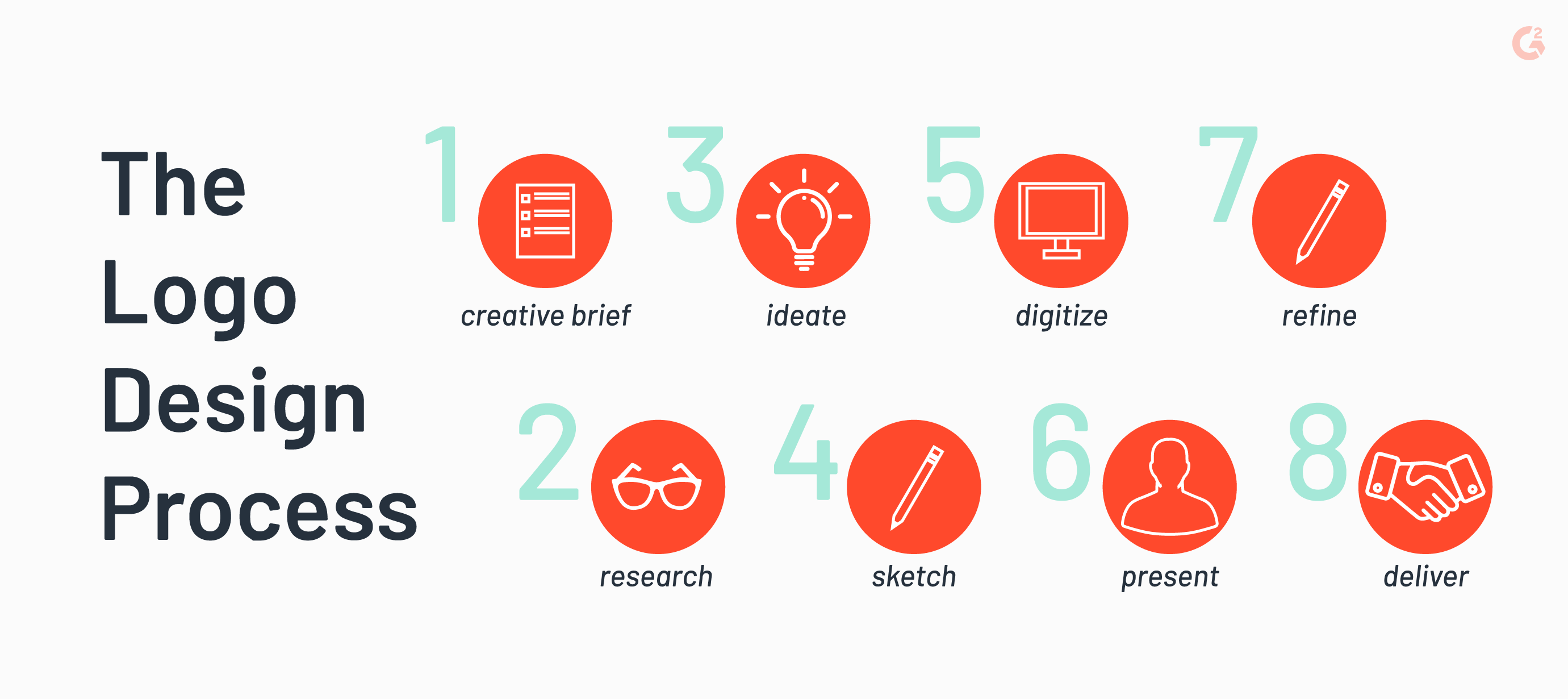
It’s not as easy as mowing through product’s Strategy, Scope, Structure, Skeleton and Surface. The ‘simplified’ design process with which students are familiar is modeled after a typical/academic case study. A design process defines every designer’s journey to solve wicked problems.
Prolight Diagnostics finalises cartridge design - BioStock - Connecting Innovation and Capital
Prolight Diagnostics finalises cartridge design.
Posted: Fri, 26 Apr 2024 07:37:58 GMT [source]
“KISS” (“Keep It Simple Stupid”) is an example of a principle where you design for non-experts and therefore minimize any confusion your users may experience. Design principles are fundamental pieces of advice for you to make easy-to-use, pleasurable designs. You apply them when you select, create and organize elements and features in your work.
During this engineering design/build project, students investigate many different solutions to a problem. Their design challenge is to find a way to get school t-shirts up into the stands during home sporting events. They follow the steps of the engineering design process to design and build a usabl... Students learn about the mathematical characteristics and reflective property of ellipses by building their own elliptical-shaped pool tables.
HCD is a formal discipline with a specific process used only by designers and usability engineers to design products. Design thinking borrows the design methods and applies them to problems in general. In design thinking, teams may jump from one phase to another, not necessarily in a set cyclical or linear order. For example, on testing a prototype, teams may discover something new about their users and realize that they must redefine the problem. For example, teams may jump from the test stage to the define stage if the tests reveal insights that redefine the problem. Or, a prototype might spark a new idea, prompting the team to step back into the ideate stage.
They research how to build and test their trebuchets, evaluate their results, and present their results and design process to the class. Students learn how biomedical engineers work with engineers and other professionals to develop dependable medical devices. Student teams brainstorm, sketch, design and create prototypes of suction pump protection devices to keep fluid from backing up and ruining the pump motors.
This is when you test your ideas against everything you discovered during your research. This happens when you present to your client, speak to your boss, or examine your project by yourself. You must learn how to use the tools and machines safely before manufacturing your product. Manufacture will use the information in your working drawing and the tools, processes, and materials available in your Technology and Design workshop. You might create a model to help refine how your design looks and operates.
The design thinking process should not be seen as a concrete and inflexible approach to design; the component stages identified should serve as a guide to the activities you carry out. The stages might be switched, conducted concurrently or repeated several times to gain the most informative insights about your users, expand the solution space and hone in on innovative solutions. As a visual designer, you focus on creating pixel-perfect prototypes that are consistent with the rest of the product. In this sense, visual designers focus on the later phases of the design process, in particular the prototype phase. This book presents a collection of key psychological principles that UX designers can leverage to create more intuitive, user-centered products and services. It covers foundational concepts like Fitts' Law, Hick's Law, and the Pareto Principle, providing both the theory and practical applications of these principles.
It examines the psychology of everyday objects and experiences, and highlights the importance of user-centered design. When UX professionals understand how people perceive and engage with the designed world, they can create more intuitive, meaningful, and satisfying digital experiences. This publication is highly influential as it introduced the concept of contextual inquiry, a user-centered design method that involves observing and interviewing users in their natural environment. It has become a cornerstone of the UX design process, helping teams develop a deep understanding of user needs and behaviors. To do user testing well, UX designers or researchers need to evaluate a product by observing real users as they interact with it.
Reflect on all of your feedback and decide if or to what extent it should be incorporated. It is often helpful to take solutions back through the Design Process to refine and clarify them. Over the past couple of decades, he has covered everything from CPUs and GPUs to supercomputers and from modern process technologies and latest fab tools to high-tech industry trends. Backside power delivery will be implemented into many upcoming process technologies as it allows for an increase in transistor density and improved power delivery, which affects performance. From a production perspective, this is one of the most complex BSPDN implementations and is more complex than Intel's Power Via.



No comments:
Post a Comment