Table Of Content

That way, they get on-the-ground insights from real locals and community members. They also get to experience the place for themselves and watch how people use their designs in the real world. Whatever the hang-up, this guide will walk you through improving your design process. We’ll start by clarifying what the process is and then share detailed examples.
What Is Design Thinking?
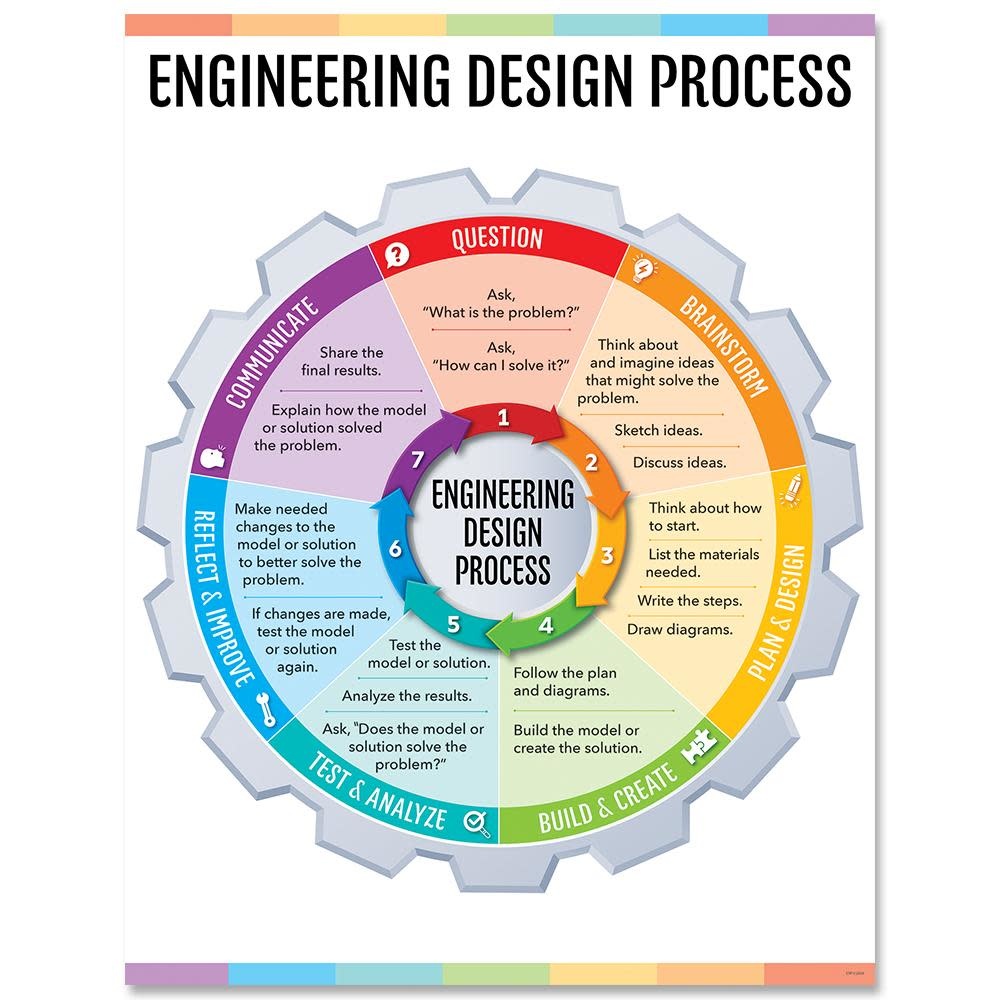
Students practice human-centered design by imagining, designing and prototyping a product to improve classroom accessibility for the visually impaired. Student teams follow the steps of the engineering design process to formulate their ideas, draw them by hand and using free, online Tinkercad softwa... Students are introduced to the concept and steps of the engineering design process and taught how to apply it. In small groups, students learn of their design challenge (improve a cast for a broken arm), brainstorm solutions, are given materials and create prototypes. Design thinking refers to procedures applied in the design process that help make decisions and address roadblocks in a user-centric manner.
Stage 1: Empathize—Research Your Users' Needs
Essentially, UX testing allows you to validate or invalidate your designs, determining whether you move forward to the development stage or return to the design stage to make adjustments. To help you come up with ideas for how to solve your user problem, you might turn your problem statement into a series of “How Might We? During the research phase, UX designers use a variety of different tools depending on their chosen research methods. You can learn about the most popular UX research tools and how they’re used here. The UX process is everything that happens before a design is sent to developers to be built.
What Tasks Will You Perform as a UX Researcher?
It enables you to make sure that the solution you’ve come up with is user-friendly and accessible. It also ensures that users are able to interact with it in the way you originally intended. Learn the full user experience (UX) process from research to interaction design to prototyping.
How do different roles fit into the UX design process?
Select a program, get paired with an expert mentor and tutor, and become a job-ready designer, developer, or analyst from scratch, or your money back. She spent over a decade in tech startups, immersed in the world of UX and design thinking. In addition to writing for The CareerFoundry Blog, Emily has been a regular contributor to several industry-leading design publications and wrote a chapter for The UX Careers Handbook.
Redesigning How We Work at Microsoft with Generative AI - Microsoft
Redesigning How We Work at Microsoft with Generative AI.
Posted: Tue, 05 Mar 2024 08:00:00 GMT [source]
This collaborative approach ensures that the design process remains user-centered, as teams incorporate feedback quickly into prototypes and make adjustments in real time. This synergy between UX design and Agile methods enhances the product's usability. It also ensures that the final output closely aligns with user expectations and needs. As teams work together from the early stages of a design process, this cross-functional approach can ensure that the product aligns with business goals and user expectations. Students gain an understanding of the factors that affect wind turbine operation. As students learn about the creation of biodomes, they are introduced to the steps of the engineering design process, including guidelines for brainstorming.
Design checklists: What type of designer are you?
It serves as an invaluable resource for UX and interaction designers at all experience levels, and helps them create engaging and user-friendly digital experiences. Overarching themes of the engineering design process are teamwork and design. Project-based learning engages learners of all ages—and fosters STEM literacy. Design thinking leverages a flexible approach to problem solving, where solutions don’t have to be designed in a linear fashion. This allows teams to complete steps in any order they choose or delegate more time to certain steps over others based on their needs, making for possibly unique or innovative solutions.
Based on the findings of your UX research, you’ll then identify the most pressing user problem that needs to be solved. This is known as the problem definition stage and it usually involves crafting a problem statement — a short summary of the problem you’re going to design a solution for. With those insights, you might go back to the design stage to come up with a new solution, or even to the problem definition stage to assess whether you’re focusing on the most important user challenge. Gain a solid foundation in the philosophy, principles and methods of user experience design.
Learn to succeed as a designer without compromising your creative vision
Exploring different artistic styles, observing the beauty of nature, or studying designs from other fields can provide fresh perspectives and ignite new ideas. To enhance creativity, designers can adopt various techniques such as brainstorming, mind mapping, and mood boarding. These techniques help stimulate innovative thinking, facilitate idea generation, and foster a collaborative environment for sharing and refining concepts. Designers rely on a variety of tools to bring their creative vision to life. These tools include graphic design software, such as Adobe Creative Suite, prototyping tools like InVision, and wireframing tools like Axure. To excel in the design process, designers need to leverage appropriate tools and techniques.
UX designers collaborate with developers and product managers through clear communication, shared goals and iterative feedback to ensure a seamless product development process. These metrics, when teams monitor them regularly, provide valuable insights into user behavior and preferences, and help UX designers improve the product iteratively. The value of UX (and the value of following the UX design process) boils down to creating products and services that people actually need and want to use. That translates into customer loyalty, higher conversion rates, increased sales and revenue and a competitive edge in your market.
Thanks to this, we will be able to consider a product from the users’ perspective, to understand them better and eventually to create a user-oriented design decision. Asking questions, we need to get all the necessary information about the project, understand how our product differs from competitors and what value users get from it. Here is the list of questions that will help us to understand a project and its business goals better. Product models are tested with users to see where the product is addressing problems and where it still might need improvement.



No comments:
Post a Comment